Recognising and assessing rotor and stator wear
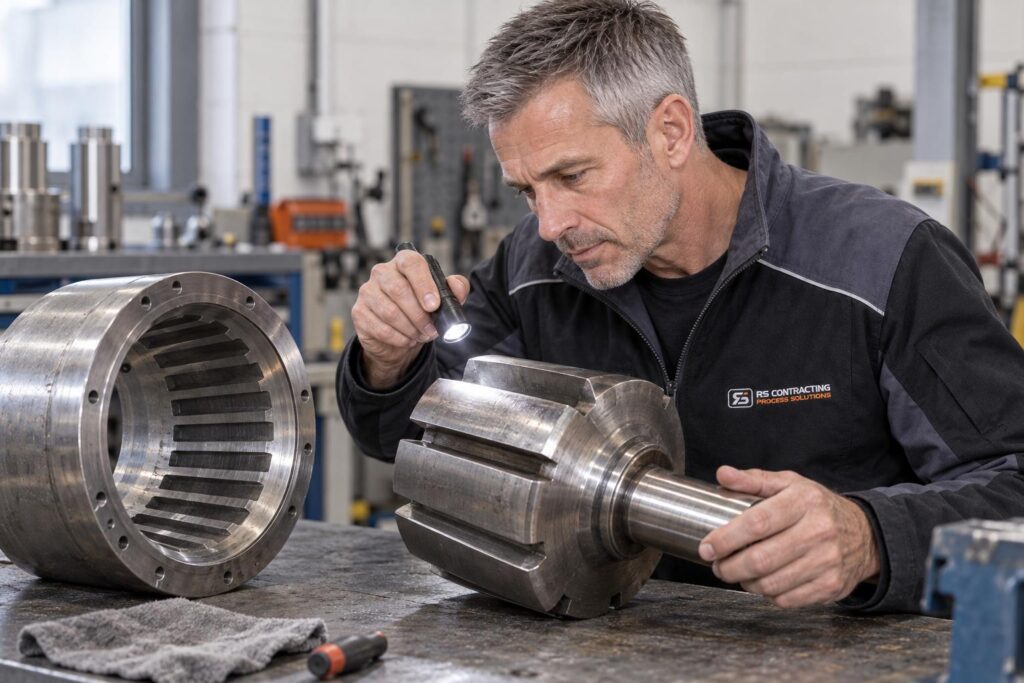
Learn to recognise rotor and stator wear, distinguish its causes and determine when inspection, correction or replacement is necessary.
Dead zones in a mixing tank: causes and solutions
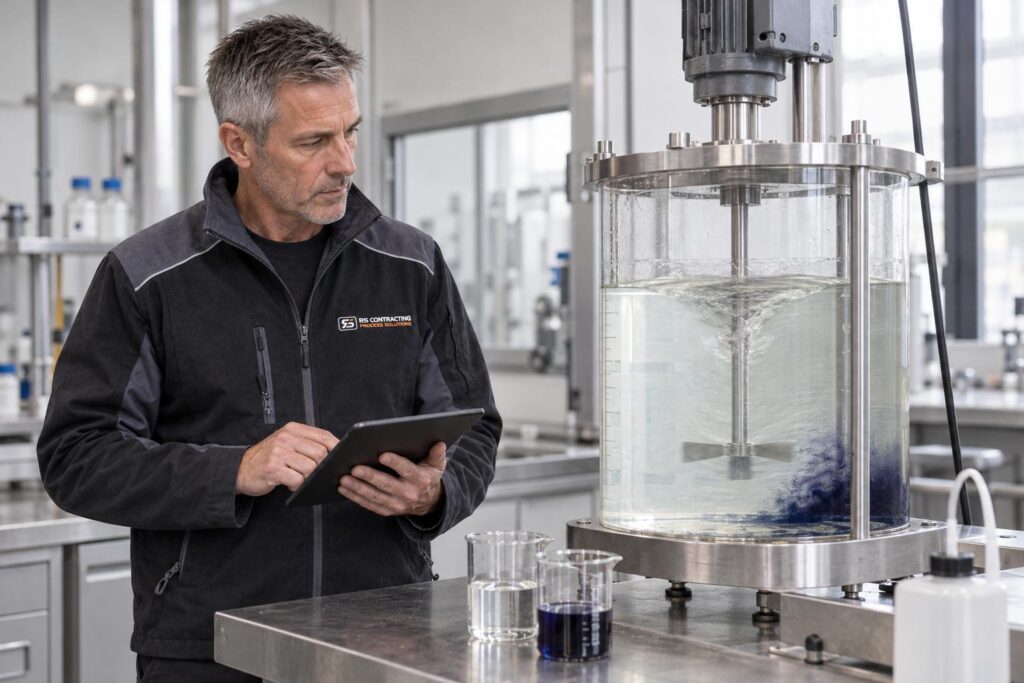
Discover how dead zones arise in a mixing tank and how you can detect and eliminate them through better circulation, measurements and suitable mixing design.
Producing sauces and dressings: process and mixing technology
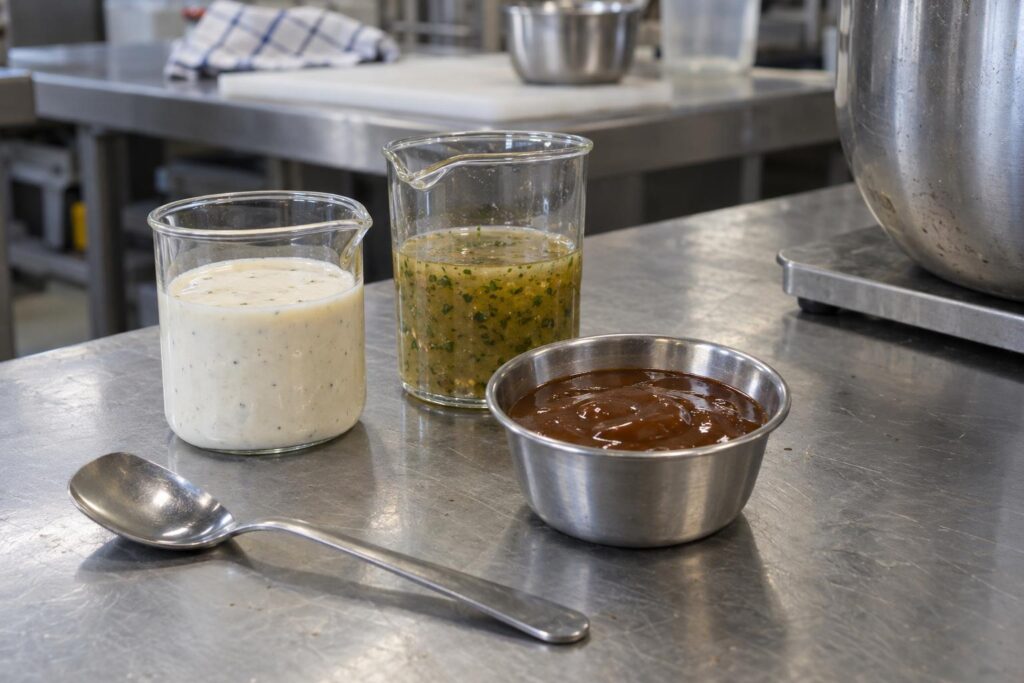
Discover how you can produce sauces and dressings with the right ingredient order, powder wetting, shear, bulk circulation and process control.
Dust-free powder dumping into a hopper: how it works
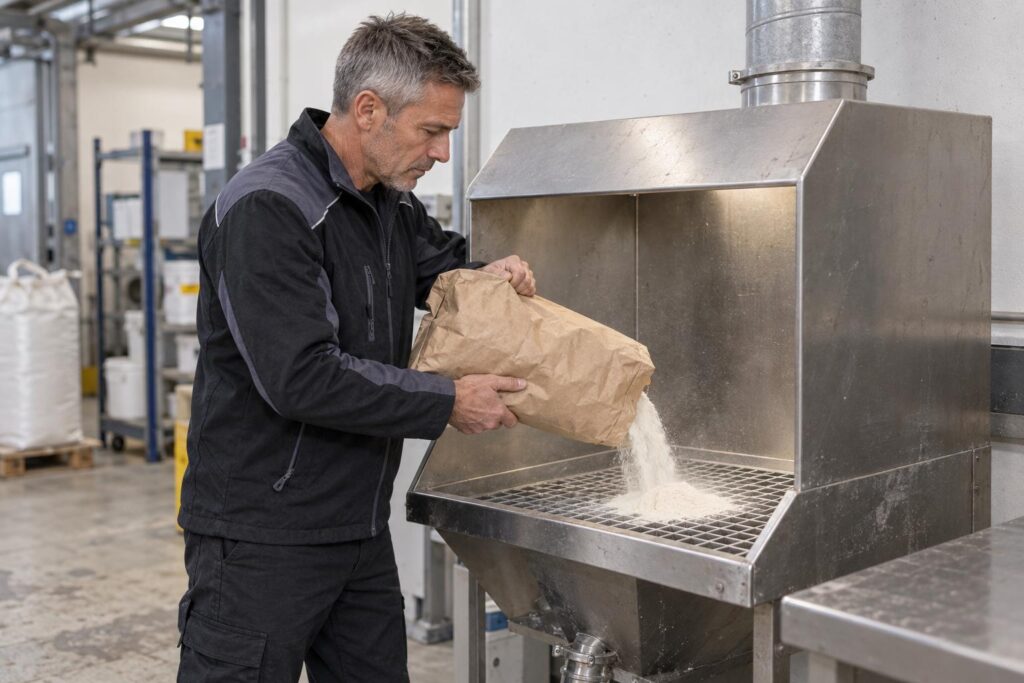
Discover how dust-free powder dumping into a hopper works with effective containment, extraction, filtration and a controlled dumping process.
Preventing and resolving bridging in a powder hopper
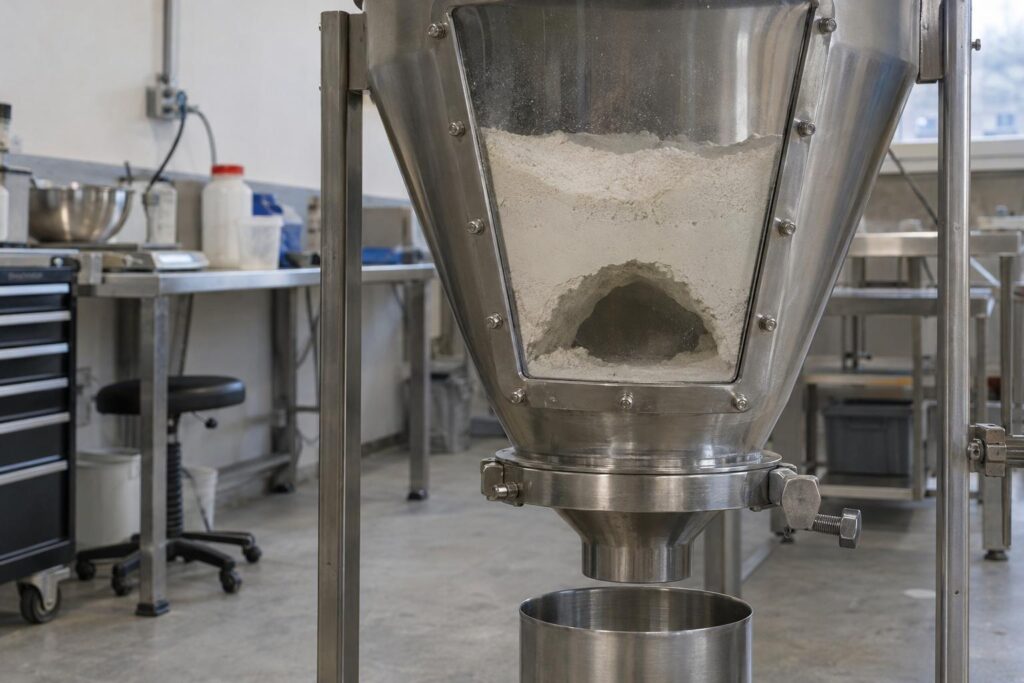
Learn how to prevent bridging in a powder hopper by assessing powder properties, hopper geometry, outlet and feeder as one system.
Wetting powder without lump formation in your process
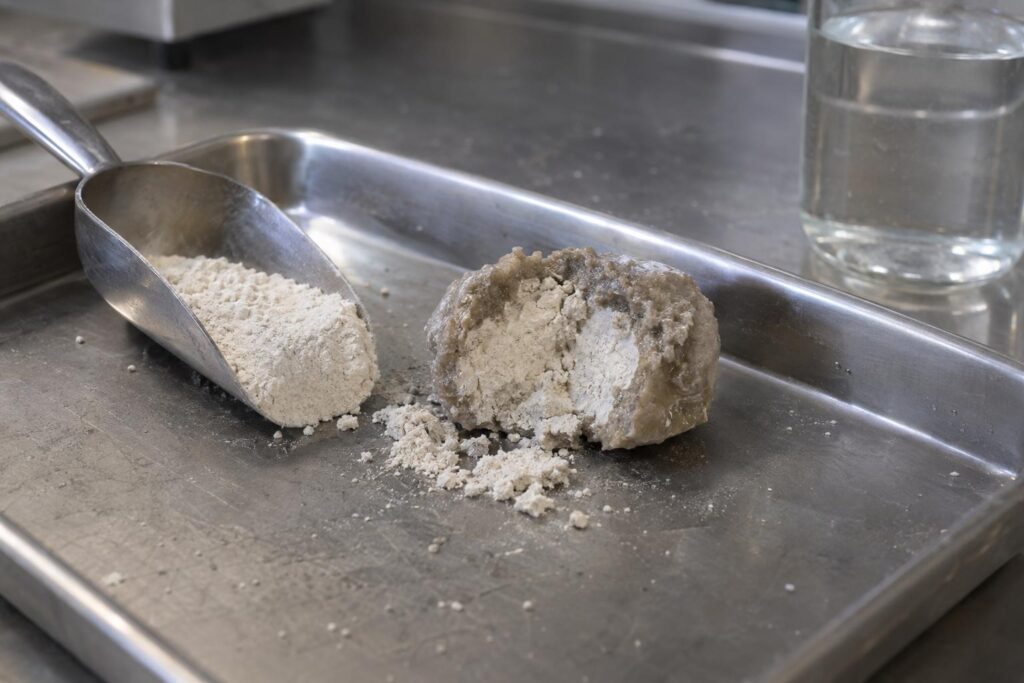
Learn how you can wet powder and prevent lump formation through controlled dosing, direct liquid contact, good circulation and targeted shear.
Preventing agglomerates during dispersing: process approach
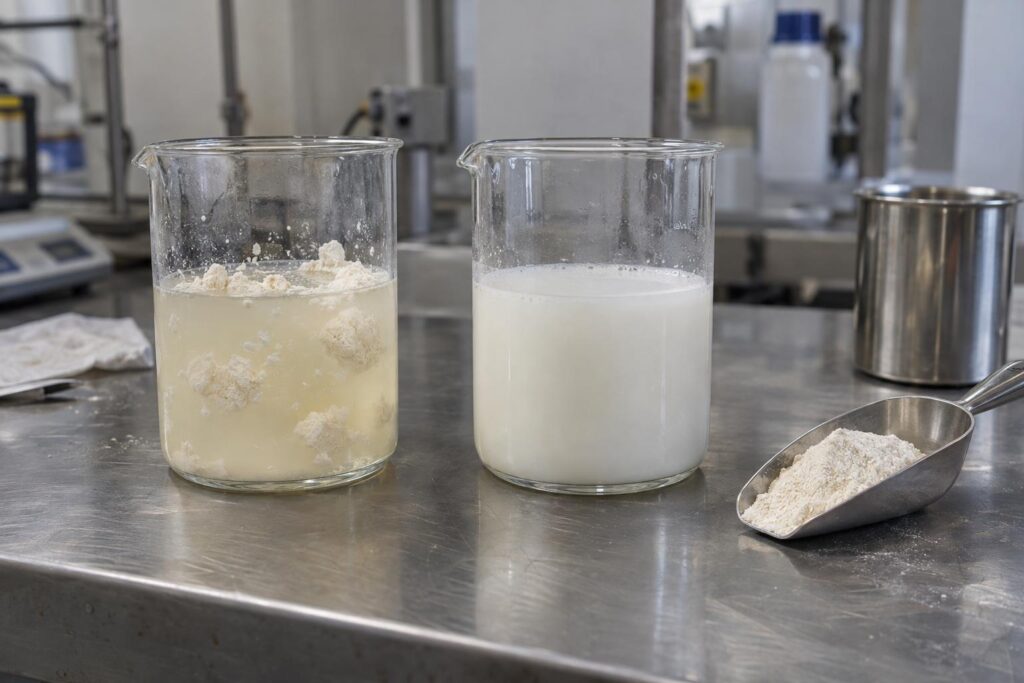
Discover how to prevent agglomerates during dispersing by aligning powder feed, wetting, macromixing, shear and stabilisation.
Halving mixing time rarely solves insufficient capacity
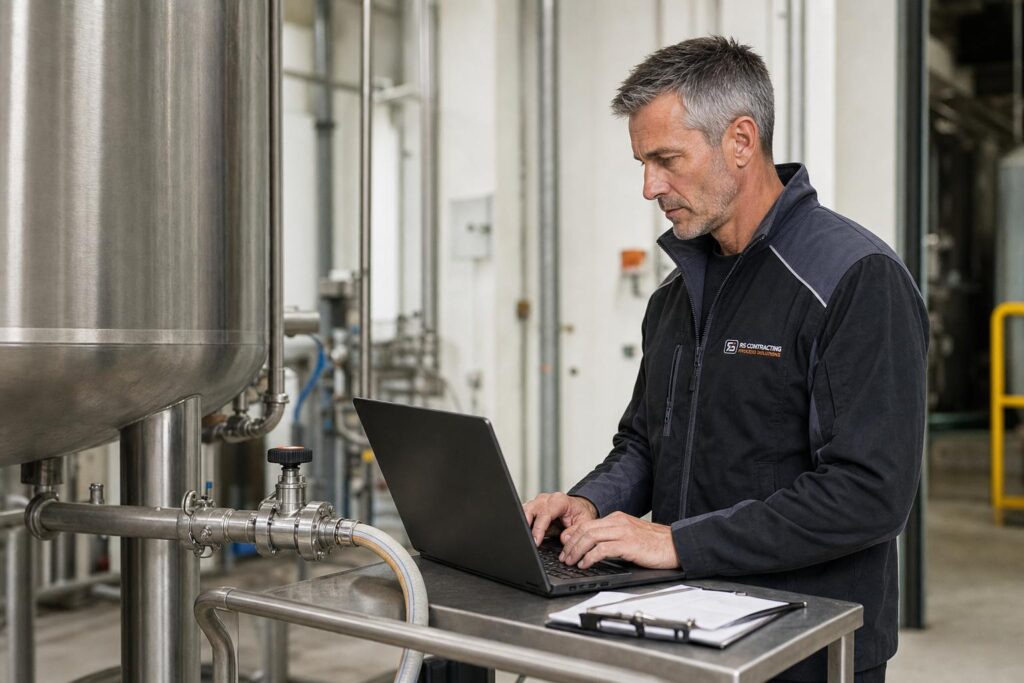
Discover why halving mixing time rarely solves insufficient capacity and how the complete batch cycle reveals the true bottleneck.
What is ATEX? Directives, zones and safe machines
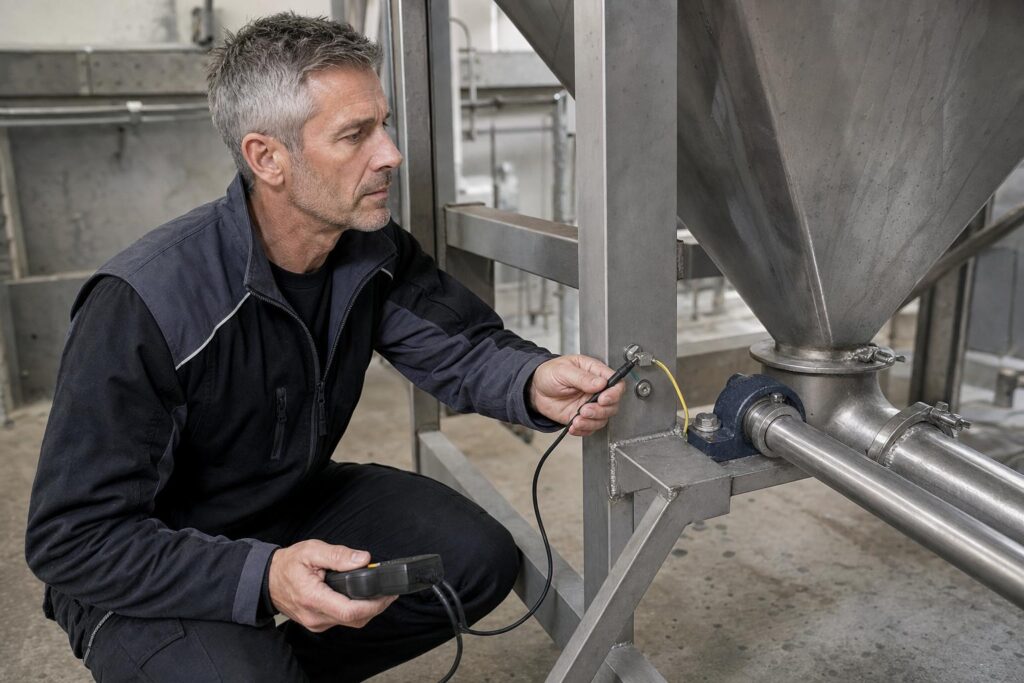
Learn what ATEX is, how zones 0, 1, 2, 20, 21 and 22 work and which requirements apply to safe machines and potentially explosive processes.
Homogenisation: meaning, operation and right process selection
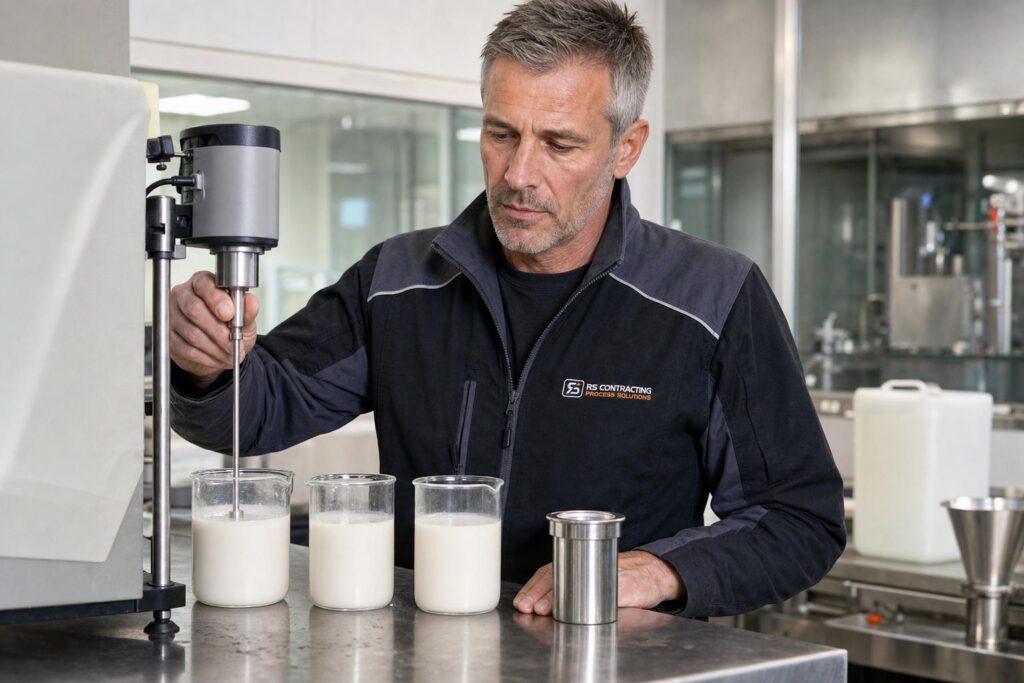
Discover what homogenisation is, how mixing, dispersing and emulsifying differ, and how you determine the right process selection and endpoint criteria.